
Callum's been topside on a canal lock retrofit since six in the morning, running through the dive log before the first pair goes under: regulator pressure, comms check, lift bag inflation, decompression table pinned to the clipboard. Eighteen years of this and his hands still move the same way through the pre-dive checklist every single time, because the one time you skip a step is the time it matters. His knees don't love the cold anymore. He's started looking at workshop job ads on his phone during the surface interval, specifically the ones involving booths, spray guns, finished panels you can actually see the result of standing in daylight. What he's wondering is whether eighteen years of making sure equipment works and writing down what happened actually counts for anything on land.
It does, and the data behind underwater construction supervisor and transport equipment painter backs that up directly. The overlap is narrow. It still matters for the transition. The gap, meanwhile, is almost entirely a new trade to learn from the surface up.
What you already bring
Ensure equipment availability sits at the centre of both roles. As an underwater construction supervisor, you check regulators, hoses, lift bags and comms gear before a diver goes under, because a fault at depth turns into an emergency fast. As a transport equipment painter, you check the spray gun, the compressor and the drying equipment before a vehicle goes into the booth, because a clogged nozzle or a dead compressor ruins a panel and burns the morning.
Keeping records of work progress is the other skill that moves across cleanly. On a construction dive site, you log dive times, depths and task completion for every diver, building the record that governs decompression schedules and safety audits. In a paint shop, you log coat counts, cure times and inspection results for every vehicle through the line, building the record that governs warranty claims and rework decisions.
Both habits are the same underlying discipline: check the gear before you trust it, write down what happened so someone else can trust it later. Most new entrants to a paint shop have to be taught that discipline from scratch; carrying it in already is worth something.
What you'd need to pick up
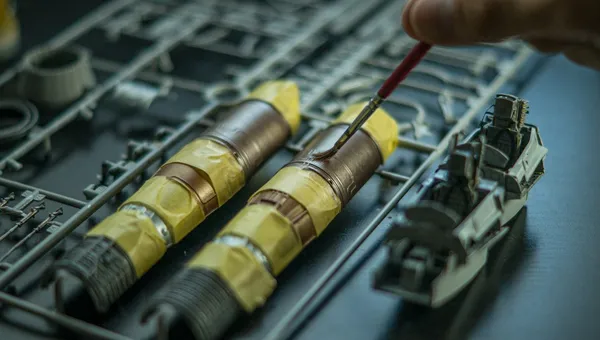
The craft itself is almost entirely new. Paint spraying techniques and lacquer paint applications form the foundation: how lacquer behaves on a surface, how spray pattern and gun distance change the finish. You'll need to know industrial paint and types of paint before you touch a vehicle. Checking paint consistency, mixing paints for vehicles and matching colour by eye is what separates a factory-standard respray from a botched one. The hands-on sequence runs from applying preliminary treatment to a workpiece, through preparing a vehicle for paint, to applying the colour coats and fixing minor scratches afterward, whether it's a bus panel, a car door or a motorcycle tank. Daily mechanics add inspecting paint quality, running the spray gun, using the drying equipment and cleaning it all down afterward. Power tools, technical documentation, troubleshooting and monitoring the painting operation round out the list.
The second cluster is safety and chemical handling, which is closer to territory you already understand even though the specifics are different. Apply health and safety standards, follow control of substances hazardous to health procedures, handle chemical cleaning agents, dispose of hazardous waste and use paint safety equipment are all essential for the role. You've spent a career following strict protocols because the alternative is someone getting hurt. The protocols themselves (COSHH paperwork, solvent handling, hazardous waste disposal) are new, but the instinct to follow them without shortcuts is already built in.
Where to start
Of the knowledge gaps, two have real learning resources behind them on Proskiro: lacquer paint applications and paint spraying techniques. Both sit at the centre of the trade, not at the edges, so they're the sensible place to put your first hours of study rather than something more peripheral. Spend time there before anything else, since gun technique and lacquer behaviour show up in almost every other skill on the list, from colour matching to fixing scratches. The transport equipment painter profession page lays out the full skill set if you want to see what else sits around those two before committing to a route in.
Is this move realistic
Pay is the clearest difference between these two roles. Figures for underwater construction supervisor map to several related SOC occupations, so they describe the wider group rather than this single job: whole-workforce median gross annual pay sits at £54,947 [ONS ASHE 2025], and recent graduates in the group earn a median of £30,000 [HESA GO 2022/23]. Transport equipment painter maps the same way, with whole-workforce median gross annual pay at £26,975 [ONS ASHE 2025] and recent graduates at £23,991 [HESA GO 2022/23]. That's a real drop, and it should factor into the decision rather than get discovered after the fact.
Equipment discipline and paperwork come with you already; most people entering a paint shop have to build those from scratch. The actual trade, the spray gun, the lacquer, the colour match, starts at zero no matter who you are. Proskiro uses ESCO profiles to map occupations and skills consistently. Individual employers decide what matters on day one, so use this as the skills map rather than a specific job offer. If the trade itself is what's pulling you, the transport equipment painter page is where to look next.